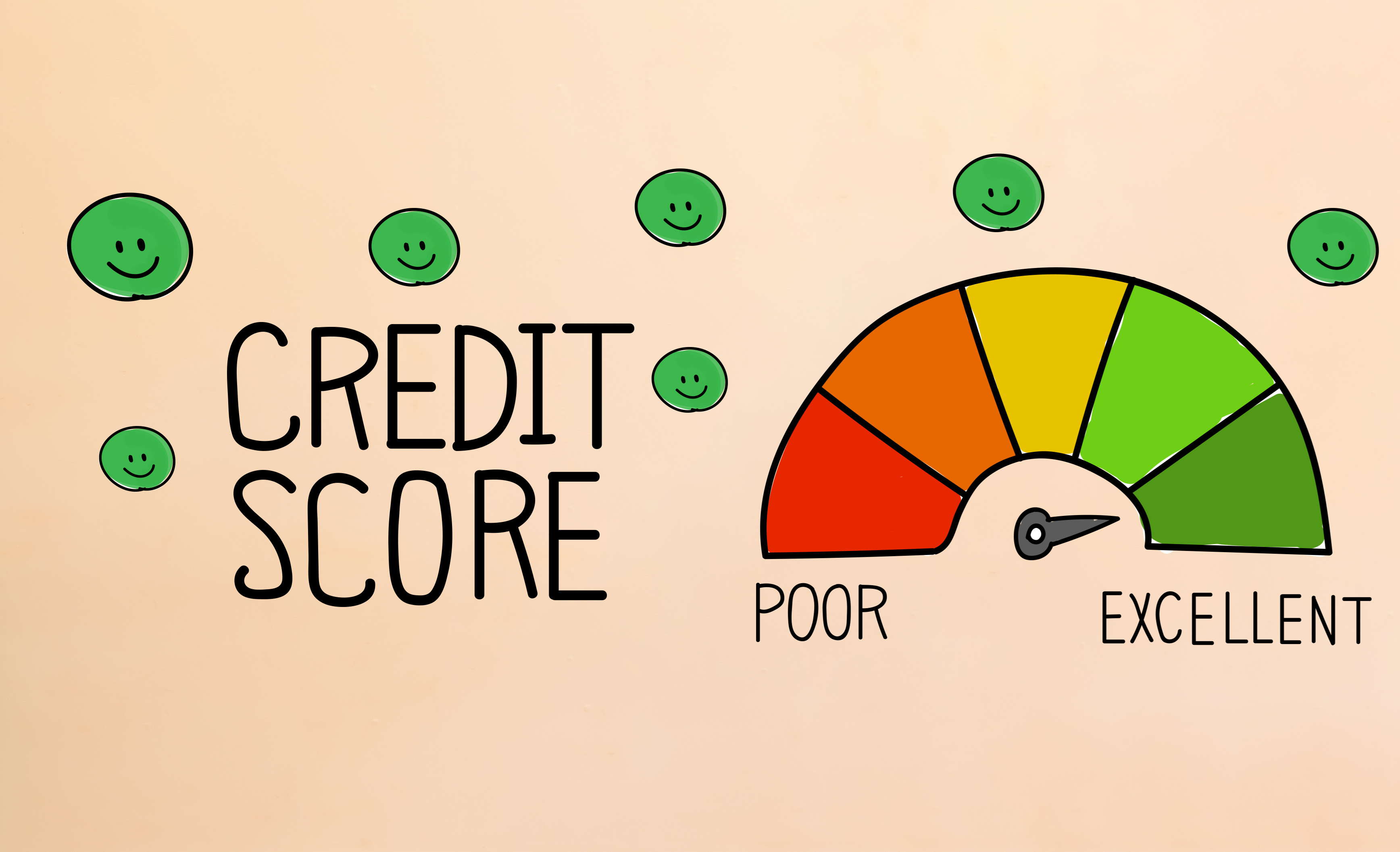
Your credit score is more than just a number, it's an indication of your reliablity to repay debt, determining loan conditions and interest rates. Having a high credit score can help you get credit easier, favourable loan terms, or even homeownership. But the real question is how to improve your credit score to better your chances of getting credit or a loan? We provide several different ways that can you can start applying today to help you raise your credit score.
Understanding the Basics
A number of different elements from your financial history come together to form your credit score. This score is created through data compilation by major credit bureau like Equifax, Experian, and TransUnion. Their primary considerations are as follows:
- Past Payment History
- Outstanding Amounts (Credit Utilisation)
- Duration of Credit Record
- Credit Types in Use: New Credit (or Enquiry)
Before you can start working on raising your score, you need to assess where you are now and what needs work.
What's a good credit score?
Understanding the scoring range is crucial before delving into what makes a "good" score. Credit scores in Australia can vary from 0 to 1,200, contingent upon the credit reporting agency. Each of the major credit reporting bureaus, including Experian, illion, and Equifax (formerly Veda), has its own scoring models and scales, but they all operate within this range.
Equifax
Equifax scores, formerly known as Veda Advantage, range from 0 to 1,200. This is a broad categorisation:
• Excellent (853–1,200): There is a lower chance of an unfavourable event occuring for borrowers in this range within the next year.
• Very Good (735-852): Borrowers have a lower probability of an adverse credit event in the upcoming year compared to the general population.
• Good (661–734): Despite having a clean credit report for the upcoming year, borrowers in this category may be marginally more risky than those in the other categories.
• Average (460–660): In the following year, borrowers in this range are more likely to encounter a negative credit event.
• Below Average (0–459): There is a marked increase in the likelihood that borrowers will experience a negative credit event in the upcoming year.
Experian
Experian: In Australia, Experian scores span from 0 to 1,000. Here is the overall breakdown:
• Excellent (800–1,000): A well above average score with very little chance that in the upcoming year, a negative incident will damage these borrowers' credit reports.
• Very Good (700–799): Above average score with borrowers having a lower probability of an unfavourable credit event in the upcoming year than the general population.
• Good (625–699): This is the average score range. It shows some risk, but borrowers should expect to have a spotless credit report in the upcoming year.
• Fair (550–624): Compared to borrowers in the "Good" category, borrowers in this category are more likely to experience an adverse credit event in the upcoming year.
• Below Average (0-549): This is a poor credit score indicating that an unfavourable credit event is highly likely to occur in the upcoming year for this group.
How to obtain and examine a credit report
Every year, you are entitled to one complimentary report from each major bureau. Keep these reports safe and carefully go over them. This will help you identify any inconsistencies or mistakes and provide you with a more accurate view of your credit situation.
Selecting a Credit Reporting Firm: Major credit reporting agencies such as Equifax, Experian, and Illion are located in Australia.
Online Enquiry: You can usually get your report online from most agencies. Go to the credit report request section of the agency's official website and complete the required forms.
Mail of Fax: Some people prefer using conventional methods, like mail or fax. In this instance, print the necessary forms from the agency's website, fill them out, and send them by mail or fax to the number or address specified.
Validation is Essential: Agencies will need identification verification because the information is sensitive. Copies of your passport, driver's licence, and utility bills can be included in this. Always send these documents securely by following the instructions provided by the agency.
Ways to improve your credit score
1. Make on-time bill, credit card, and loan payments
Your credit history is crucial. It makes up 35% of your FICO credit score rating. This implies that your score can be severely damaged by even one late payment. To prevent this:
• Make use of calendar alerts.
• Whenever feasible, choose automatic payment options.
• If you've fallen behind on your payments, get caught up as soon as possible.
2. Reduce your ratio of credit utilisation
This indicates how much of your available credit limit you are currently using. Generally speaking, this ratio should be kept below 30%. As follows:
• Reduce any outstanding sums.
• Don't use your credit cards to the limit.
Think about asking for an increase in your credit limit, but only if you are certain you won't go overboard.
3. Apply for a credit limit increase
Speak with your present credit card issuer about getting your limit raised rather than creating a new account. Don't, however, let your expenses go up. Not taking on more debt, but rather lowering the credit utilisation ratio, is the goal.
4. Goodwill adjustments
You should think about sending a "goodwill letter" to the creditor if you have a small delinquency, such as a late payment on an account.
5. Establish a lengthy credit history
Your credit score may be positively impacted by older accounts. Despite what many people think, closing an old or unused card can lower your credit score, especially if it has no balance.
6. Build a variety of credit portfolio mix
A variety of credit types, such as installment loans, retail accounts, and credit cards, show that you can handle different kinds of debt. Open accounts only if necessary, though, as this can result in needless hard enquiries and even debt.
7. Don't make multiple hard enquiries a year
Your application for credit results in a hard enquiry each time. One or two enquries here and there might not hurt, but several in a short period of time can such as 3 hard enquires in the last 4 months could directly impact your credit score. Use caution when deciding where and when to apply for credit.
8. Contest and remove any errors
Errors happen. However, they may come at a cost if they show up on your credit report. In the event that errors are discovered, contact the credit bureau.
• Let the concerned creditor know.
• Make sure you have proof to back up your assertion.
9. Apply for a secured credit card
A secured card can be a very useful tool for people who have no credit history at all or who are trying to repair their credit after making bad financial decisions. You can obtain a credit card and begin establishing a good payment history by putting up a deposit as collateral.
10. Don't let high balances linger
Even if you pay off your credit card debt in full each month, having a high balance might be interpreted as a risk indicator. Try to pay them off before the statement period ends for the greatest impact on your score.
11. Utilise services for credit counselling
Seeking expert advice can be advantageous, particularly if debt, especially with high interest products like credit card debt seems too much to handle. Credit counselling organisations such as Credit Repair with a 4.6 star review rating on Google can provide guidance on managing finances and debts as well as assistance with creating budgets.
12. Keep an eye on your credit
By keeping an eye out for mistakes or inconsistencies that could lower your score, you can identify them early and take appropriate action. Free credit monitoring services are provided by numerous banks, credit cards, and outside apps.
How much time does it take for my credit to get better?
Increasing one's credit score can take a variety of times. While minor inconsistencies can be resolved in a matter of months, major flaws such as bankruptcies may take years to resolve.
Gaining a higher credit score is frequently a gradual process that requires perseverance and constant effort. Keep a close eye on your development and adjust as needed.
In conclusion
Many financial opportunities are made possible by having a high credit score, which also ensures that prospective lenders, landlords, and even employers will view you favourably.
Even though raising your score might seem impossible, it is a goal that you can achieve with comprehension, hard work, and patience. You can get closer to having a strong credit score and, consequently, a better financial future with every little step you take towards developing better financial habits.
Check out other similar articles:
Best Credit Card Offers in Australia
To get more similar related blogs and helpful tips, feel free to drop your email at the bottom of our homepage. Or follow us on Facebook, Instagram or Twitter.