High Limit Credit Cards Find Cards Built for Big Spending
Compare top high limit credit cards in Australia for large monthly expenses and major purchases. Use our rewards calculator to estimate your net value based on your spending, bonus points, and annual fees.
Calculate your rewards
See which cards could give you the most value based on your spending.
Credit Card
- Bonus Offer
- Points Per $
- Annual Fee
- Net Rewards

- Bonus Offer 225,000
Membership Rewards Points - Points Per $ 1 - 2.25 pts
- Annual Fee $1,450
- Net Rewards $-
Breakdown of Yearly Net Value
Year 1: -$1,450$0 Signup Bonus$0 Point Earn$1,450
 Annual FeeYear 2: -$1,450$0 Signup Bonus$0 Point Earn$1,450 Annual FeeTotal Net Value -$1,450Total Net Value -$1,450
- Top 3 Premium
- Top 3 Everyday Rewards
- More Top CategoriesTop 5 Travel PerksTop 3 Online Purchases
- $450 Travel Credit Per Year
- Multiple Unlimited Lounge Access
- CashbackCashbackFrequent Flyer PointsFrequent Flyer PointsAirport Lounge AccessUnlimited access for you and a guest to 1,800+ airport lounges including Centurion Lounge, Priority Pass and moreTravel ServicesInternational Airline Program for savings of up to 20% on First and Business Class fares with leading airlines like Qantas Airways, Virgin Australia, Emirates and more.Travel InsuranceDomestic & International Travel InsuranceShopping ProtectionPurchase Protection
Refund ProtectionConcierge ServiceConcierge ServiceDining$400 Global Dining Credit per yearHotelFine Hotels & Resorts Program, Accor Plus membership valued at $349 p.a., Hotel Elite Status Program & International Airline ProgramMobile PayApple Pay, Samsung Pay, Google PayEntertainmentAmex Experiences and Digital news access with the Australian Premium Subscription

- Bonus Offer 200,000
Amplify Points - Points Per $ 0.5 - 3 pts
- Annual Fee $295
- Net Rewards $-
Breakdown of Yearly Net Value
Year 1: -$199$0 Signup Bonus$0 Point Earn$199 Annual FeeYear 2: -$295$0 Signup Bonus$0 Point Earn$295 Annual FeeTotal Net Value -$199Total Net Value -$295
- Priority Pass Lounge Access
- Frequent Flyer PointsFrequent Flyer PointsAirport Lounge Access2 Priority Pass airport lounge visits each year to over 1,900+ lounges worldwideTravel InsuranceDomestic & International Travel InsuranceShopping ProtectionPurchase ProtectionConcierge ServiceConcierge ServiceHotelVisa Luxury Hotel CollectionMobile PayApple Pay, Samsung Pay, Google PayEntertainmentVisa Entertainment

- Bonus Offer 180,000
ANZ Reward Points - Points Per $ 1 - 2 pts
- Annual Fee $375
- Net Rewards $-
Breakdown of Yearly Net Value
Year 1: -$275$100 Signup Bonus$0 Point Earn$375 Annual FeeYear 2: -$375$0 Signup Bonus$0 Point Earn$375 Annual FeeTotal Net Value -$275Total Net Value -$375
- Top 5 Everyday Rewards
- $100 Cashback
- CashbackCashbackFrequent Flyer PointsFrequent Flyer PointsTravel InsuranceDomestic & International Travel InsuranceShopping ProtectionPurchase ProtectionConcierge ServiceConcierge ServiceMobile PayApple Pay, Google Pay, Samsung Pay, Fitbit Pay, Garmin Pay
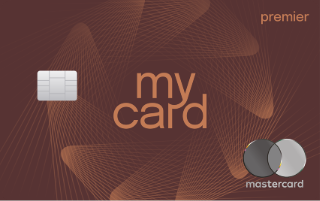
- Bonus Offer 150,000
MyCard Reward Points - Points Per $ 1 - 2 pts
- Annual Fee $300
- Net Rewards $-
Breakdown of Yearly Net Value
Year 1: -$300$0 Signup Bonus$0 Point Earn$300 Annual FeeYear 2: -$300$0 Signup Bonus$0 Point Earn$300 Annual FeeTotal Net Value -$300Total Net Value -$300
- Priority Pass Lounge Access
- CashbackCashbackFrequent Flyer PointsFrequent Flyer PointsAirport Lounge Access2 Priority Pass airport lounge visits each year to over 1,900+ lounges worldwideTravel InsuranceDomestic & International Travel InsuranceShopping ProtectionPurchase ProtectionConcierge ServiceConcierge ServiceSmartphone Screen InsuranceSmartphone Screen InsuranceHotelLuxury Escapes up to 15% Discounts ($250 per booking) off Hotels Overseas and up to 10% off on Hotels within Australia or Overseas tours (up to $250 per booking). 10% off selected hotels on Expedia or Wotif.Mobile PayApple Pay, Samsung PayEntertainmentUp to $100 cashback on Uber Premier ride.
- Bonus Offer 150,000
Qantas Points - Points Per $ 0.25 - 1.2 pts
- Annual Fee $370
- Net Rewards $-
Breakdown of Yearly Net Value
Year 1: -$275$0 Signup Bonus$0 Point Earn$275 Annual FeeYear 2: -$370$0 Signup Bonus$0 Point Earn$370 Annual FeeTotal Net Value -$275Total Net Value -$370
- Top 5 Premium
- Top 3 Frequent Flyer Points
- Qantas Lounge Access
- Frequent Flyer PointsFrequent Flyer PointsAirport Lounge Access2 Qantas Club Lounge visits each yearTravel InsuranceDomestic & International Travel InsuranceShopping ProtectionPurchase ProtectionConcierge ServiceConcierge ServiceHotelVisa Luxury Hotel CollectionMobile PayApple Pay, Samsung Pay, Google PayEntertainmentVisa Entertainment
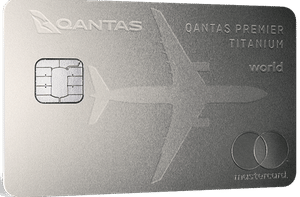
- Bonus Offer 150,000
Qantas Points - Points Per $ 1.25 - 3.25 pts
- Annual Fee $1,200
- Net Rewards $-
Breakdown of Yearly Net Value
Year 1: -$1,200$0 Signup Bonus$0 Point Earn$1,200 Annual FeeYear 2: -$1,200$0 Signup Bonus$0 Point Earn$1,200 Annual FeeTotal Net Value -$1,200Total Net Value -$1,200
- Top 3 Premium
- Top 5 Travel Perks
- $400 Qantas Luxury Holidays Voucher
- Qantas Lounge Access
- Frequent Flyer PointsFrequent Flyer PointsAirport Lounge Access2 Qantas Club or Qantas International Business Lounge entries each year. 2 Qantas International First Lounges invitations per yearTravel InsuranceDomestic & International Travel InsuranceShopping ProtectionPurchase ProtectionConcierge ServiceConcierge ServiceDiningQantas Wine Premium Membership

- Bonus Offer 130,000
Qantas Points - Points Per $ 1 - 2 pts
- Annual Fee $420
- Net Rewards $-
Breakdown of Yearly Net Value
Year 1: -$170$250 Signup Bonus$0 Point Earn$420 Annual FeeYear 2: -$420$0 Signup Bonus$0 Point Earn$420 Annual FeeTotal Net Value -$170Total Net Value -$420
- $250 Cashback
- Frequent Flyer PointsQantas Frequent FlyerTravel ServicesFree Qantas Frequent Flyer membershipTravel InsuranceDomestic & International Travel InsuranceShopping ProtectionPurchase ProtectionConcierge ServiceConcierge ServiceMobile PayApple Pay, Google Pay, Samsung Pay, Fitbit Pay, Garmin PayEntertainmentVisa Premium Access

- Bonus Offer 120,000
Qantas Points - Points Per $ 1.25 - 2.25 pts
- Annual Fee $450
- Net Rewards $-
Breakdown of Yearly Net Value
Year 1: -$450$0 Signup Bonus$0 Point Earn$450 Annual FeeYear 2: -$450$0 Signup Bonus$0 Point Earn$450 Annual FeeTotal Net Value -$450Total Net Value -$450
- Top 3 Frequent Flyer Points
- Top 5 Travel Perks
- $450 Qantas Travel Credit Per Year
- Centurion & Qantas Lounge Access
- Frequent Flyer PointsFrequent Flyer PointsAirport Lounge Access2 Centurion Lounge entries to Sydney or Melbourne International airports each year and 2 Qantas Club lounge invitations per year after first spend on selected Qantas products and servicesTravel InsuranceDomestic & International Travel InsuranceShopping ProtectionPurchase Protection
Refund ProtectionDiningQantas Wine Premium MembershipMobile PayApple Pay, Samsung Pay, Google Pay

- Bonus Offer 110,000
NAB Rewards Points - Points Per $ 0.5 - 1.5 pts
- Annual Fee $420
- Net Rewards $-
Breakdown of Yearly Net Value
Year 1: $0$0 Signup Bonus$0 Point Earn$0 Annual FeeYear 2: -$420$0 Signup Bonus$0 Point Earn$420 Annual FeeTotal Net Value $0Total Net Value -$420
- CashbackCashbackFrequent Flyer PointsFrequent Flyer PointsTravel InsuranceDomestic & International Travel InsuranceShopping ProtectionPurchase ProtectionConcierge ServiceConcierge ServiceMobile PayApple Pay, Google Pay, Samsung Pay, Fitbit Pay, Garmin PayEntertainmentVisa Premium Access

- Bonus Offer 100,000
MyCard Reward Points - Points Per $ 1 pts
- Annual Fee $199
- Net Rewards $-
Breakdown of Yearly Net Value
Year 1: -$199$0 Signup Bonus$0 Point Earn$199 Annual FeeYear 2: -$199$0 Signup Bonus$0 Point Earn$199 Annual FeeTotal Net Value -$199Total Net Value -$199
- Top 3 Purchase Rate Offers
- CashbackCashbackFrequent Flyer PointsFrequent Flyer PointsTravel InsuranceDomestic & International Travel InsuranceShopping ProtectionPurchase ProtectionConcierge ServiceConcierge ServiceSmartphone Screen InsuranceSmartphone Screen InsuranceHotelLuxury Escapes up to 15% Discounts ($250 per booking) off Hotels Overseas and up to 10% off on Hotels within Australia or Overseas tours (up to $250 per booking). 10% off selected hotels on Expedia or Wotif.Mobile PayApple Pay, Samsung Pay, Citi Pay



High Limit Credit Cards Guide
How We Rank the High Credit Limit Cards
At Kredmo, we use a data-driven Value Methodology to rank every card on this page:
-
 Sign-Up Bonus Impact: We analyze the true value of 100k+ bonus point or cash-back offers after meeting minimum spend.
-
 Points Weighted Earn Rate: We calculate the "dollar per points" value from from actual aveage Australian household spending splits (e.g., 35% Groceries, 15% Fuel, 20% Utilities) to show to best estimate what you could earn.
-
 Capped and Uncapped Points: We calculate the earn rate caps or "Tiered Earn Rates" for cards with both spending amount maximums and point earning maximums.
-
 Redeem Points Dollar Value: We calculate the dollar value from earned rewards points for reach rewards program for each redeem category cash back, gifts cards, domestic and international flights.
-
 Cost Efficiency: We factor in the cost of the annual fee so to evaluate whether your rewards earned outweigh the annual fee or not to reveal the Year 1 Net Profit. Ensuring your rewards are an asset, not an expense.
How Kredmo Calculates Your Net Rewards $ Value
At Kredmo, we believe transparency is the key to choosing the right credit card. Our Net Rewards $ Value is a data-driven estimate of the net Rewards financial benefit you could receive during your first year of card membership.
We use a specific three-step formula to convert complex bonus points or cashback offers into a clear dollar figure:
1Sign-Up Bonus Valuation: We convert the headline bonus points (e.g., 100,000 points) into a dollar value based on a conservative redemption average of 0.5 to 1.0 cents per point. This represents the standard "floor value" for redemptions like digital gift cards and cashback in the Australian market.- 2Annual Spend Projections: We calculate the points earned from your projected annual spending based on the card's specific earn rate (e.g., 1.25 points per $1 spent). We then convert
these points into their equivalent dollar value to show what your "monthly" spending is actually worth. - 3The 'Net Value' Deduction: To find the final figure, we subtract the first-year annual fee from the total sum of points and cash back expected to be earned. The resulting Rewards $ Value shown in our table represents your true "New Rewards $ Value"—in terms of Reward points and cash back of the value you receive after the card has paid for itself.Note: Our calculations assume you pay your statement balance in full each month. Because rewards credit cards carry high interest rates (often 20% p.a. or more), interest charges are not factored into this value as they would quickly negate the benefits earned.
High Limit Credit Cards
A high limit credit card is a credit card with a spending limit that is considered high, which can range from $10,000 to $100,000 or above. This means you are able to spend more on the credit card before reaching the credit limit.
These cards are generally intended for consumers with an above average to high income and solid credit history. Banks may require proof of income and employment and at a minimum a good credit score.
● Greater Spending Power: Appropriate for those who must make large purchases or frequent transactions each month.
● Perks and Rewards: Many high-limit credit cards offer perks such as frequent flyer points, cashback, or luxury travel benefits.
● Extras: Includes perks such as concierge services, travel insurance, and exclusive event access.
Yes. With increased credit comes the risk of incurring higher debt. It is critical to manage your spending and make repayments before the due date stated on your credit card statement to avoid high interest and fees.
● Credit Limit: Ensure that the credit limit you want falls within the minimum and maximum credit limit range of the card you are applying for.
● Fees: Keep an eye out for annual fees, late payment fees, and international transaction fees.
● Rewards & Extra Benefits: Select a card that corresponds to your spending habits, reward preferences, and has complimentary benefits that will be useful to you.
The limit varies, but it can range from $10,000 to more than $100,000 depending on the individual's circumstances and the card provider.
● Verify Eligibility: Make sure you meet the minimum income and credit score requirements.
● Gather Documentation: Gather all required documentation, such as proof of income and identification.
● Compare Cards: Look around for the best card for your needs and has a high credit limit range.
● Apply Online or In-Branch: While most banks accept online applications, you can also apply in person.
Tip: If you apply for a card and don’t get the credit limit you want, then an alternative is to accept the limit offered to you for now. Then in 6 to 12 months time apply for a credit limit increase to increase your limit to the amount you want. Ensure that during these months you do not miss any payments and try to keep your utilization rate low.
Yes, you can request an increase on your existing card's credit limit, subject to approval based on your financial situation, repayment, and credit history.
To improve your chances of getting your credit limit increase approved, do not miss any repayments on your bills, credit cards, or loans.
You can reduce the chance of missing payments by setting up automatic repayments.
Exceeding your credit limit can result in overlimit fees, higher interest rates, or a negative impact on your credit score if not paid down quickly.
Generally, yes. Because of the higher risk associated with higher credit limits, banks have stricter eligibility criteria for these cards.
● A higher limit credit card may come with a higher “minimum” limit which can reduce your chances of getting approved for at least a lower limit.
● Having a high credit limit exposes you to the risk of incurring more credit card debt, especially if you can't control your spending.
● Higher fees are usually associated with higher limit credit cards because they come with additional benefits.
The average single person's credit limit can be anywhere between $5,000 and $10,000. This will at the very least cover your monthly expenses as well as any one-time vacation expenses.
If ever reach or surpass your credit limit, you can always make a payment to your account at any time to reduce your balance owing on the account.
● Your credit rating: A high credit score rating indicates to the provider that the borrower is more likely to repay their debt and not default.
● The age of your credit file: If your credit file is relatively new, you may not have enough history on your credit file. This is a factor banks take into consideration when determining your credit limit or even approving your application.
● Your financial capacity to make the repayments: Your monthly income minus your expenses and any existing debt payments will equal your monthly capacity amount. The higher your monthly capacity, the higher the credit limit your bank can issue you.
● The minimum and maximum product limits: Each credit card product has a set minimum and maximum credit limit, and a customer’s credit limit for that product can only be offered within this range.
Why Trust
Kredmo?

-
 80+ Cards Compared: We track over 20+ Australian providers to give you a full market view, not a filtered one.
-
 User-First Logic: Our rankings are built on data-driven “Value Methodology,” not whether we have a partnership with provider or not.
-
 Total Independence: We show you the best credit cards currently available in the Australian market and give you the tools to make the best decision for your unique financial journey.
-
 Licensed: We operate under ACL 518788.